
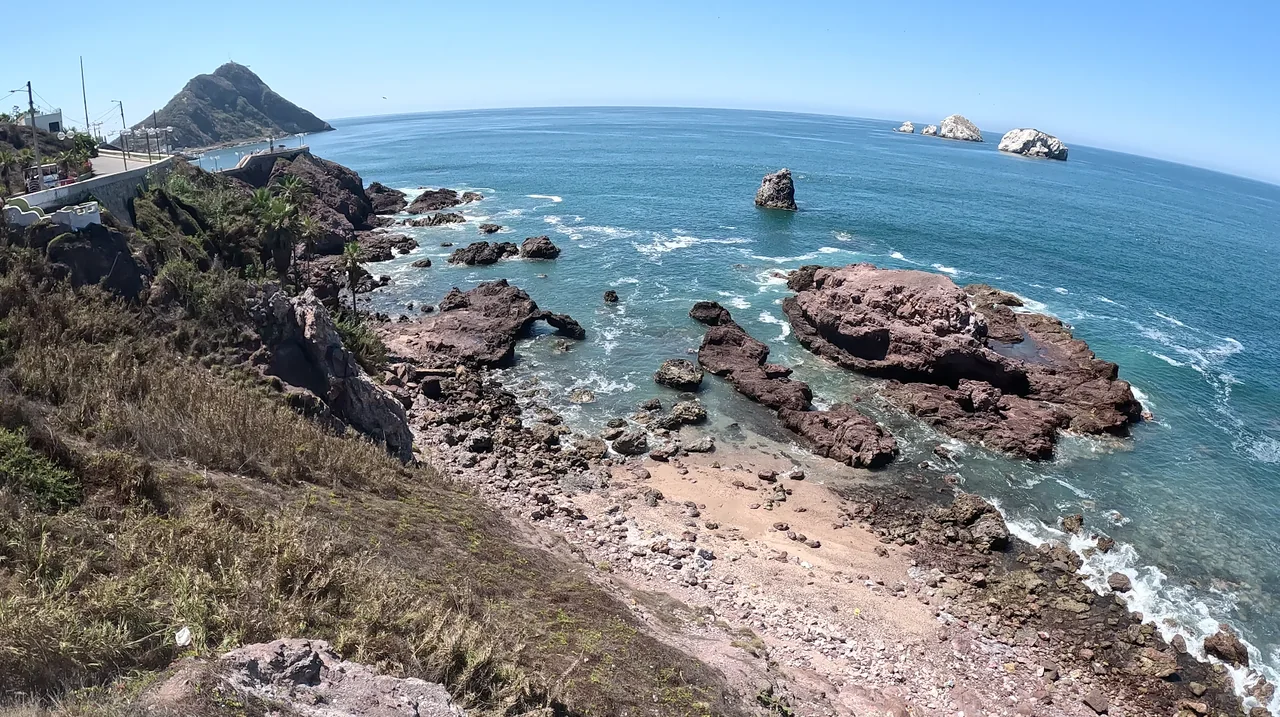
Planning a winter vacation in Mexico? Whether you're heading to Cancun, Playa del Carmen, Puerto Vallarta, Cabo San Lucas, or somewhere a little less touristy, there are a few questions worth answering before you pack your bags.
Should you bring dollars or pesos? Is the tap water safe? How do you get from the airport to your hotel without spending a fortune? And what about those amazing little taco stands?
I'm Doug from The Second Half, and after spending almost three years traveling and living in Mexico, I've learned a few things along the way.
Here are five questions I see travelers asking all the time, along with my advice for making your trip a little easier.
This article contains affiliate and referral links. See the full disclosure at the bottom of the page.
1. Should I Bring Dollars or Mexican Pesos?
My advice is simple: bring Mexican pesos.
Mexico uses pesos, and while some tourist businesses accept US dollars, that doesn't mean you'll receive a particularly good exchange rate.
Whether you're visiting from Canada or the United States, having pesos makes everyday purchases much easier.
I like to have cash available for taco stands, local markets, tips, small businesses, and places that don't accept cards.
A Quick Word About Tipping
Here's something many visitors don't think about.
If you tip someone in US or Canadian dollars, they may have to exchange that money into Mexican pesos before they can actually spend it.
That means finding somewhere to exchange it, potentially paying fees, and possibly getting a lousy exchange rate.
So that generous tip you left might not be worth quite as much as you intended.
My advice? Tip in pesos.
It's the currency people use every day, and it means the person receiving your tip gets its full value without having to worry about converting it.
Where Should You Get Your Pesos?
If you want some cash ready when you land, consider getting a small amount from your bank before leaving home. Just compare exchange rates and fees, because exchanging money at home isn't always the cheapest option.
Personally, I use Wise to transfer and convert money between currencies. I also use my Wise debit card for purchases and ATM withdrawals.
My ATM tip: If a bank machine offers to convert your withdrawal into your home currency, I generally decline that conversion and choose to be charged in Mexican pesos instead. This can help avoid an unfavorable conversion rate, although ATM and card fees may still apply.
Disclosure: I may receive a referral reward if you sign up through my Wise link and meet the qualifying conditions, at no additional cost to you.
Credit cards are accepted at many hotels, restaurants, and larger businesses. However, some establishments may charge additional fees for card payments. Check before paying.
My recommendation: Carry some pesos, keep a payment card available, and don't depend on either one exclusively.
2. How Do I Get From the Airport to My Hotel?
Airport transportation is one of my biggest frustrations when traveling in Mexico.
You've just finished a long flight. You're tired, probably hot, and suddenly you're surrounded by people offering transportation.
Generally, you'll have four possible options:
- A prearranged hotel or private transfer
- An authorized airport taxi
- A rideshare service where pickups are permitted
- An airport bus or other public transportation
A Lesson From Cancun Airport
Generally speaking, I've had pretty good experiences at Mexican airports. But Cancun is one place where I'd recommend being particularly prepared.
On one occasion, I needed to transfer between airport terminals to catch a smaller plane. A taxi driver wanted $30 US to take me what was essentially just a few blocks!
There's also a lot of pressure from taxi drivers offering rides, particularly when you're arriving late at night, tired, and just wanting to get to your hotel.
That's why I recommend figuring out your transportation before you arrive. Check whether your airport offers a terminal shuttle, compare your transfer options, and know where you're supposed to meet your driver.
A little planning can save you money and frustration.
What About Uber, DiDi, and inDrive?
These services operate in many Mexican cities, but airport pickups are not the same as ordinary rideshare trips.
Rules and pickup arrangements vary considerably between airports.
For example, in Guadalajara, passengers can use a designated bus to reach a rideshare pickup area.
Don't assume that what works in Guadalajara will also work in Cancun, Puerto Vallarta, or Cabo San Lucas.
Before traveling, I recommend checking your airport's current transportation arrangements and asking recent travelers in local Facebook groups where they're meeting rideshare drivers legally and safely.
Flying Into Cancun?
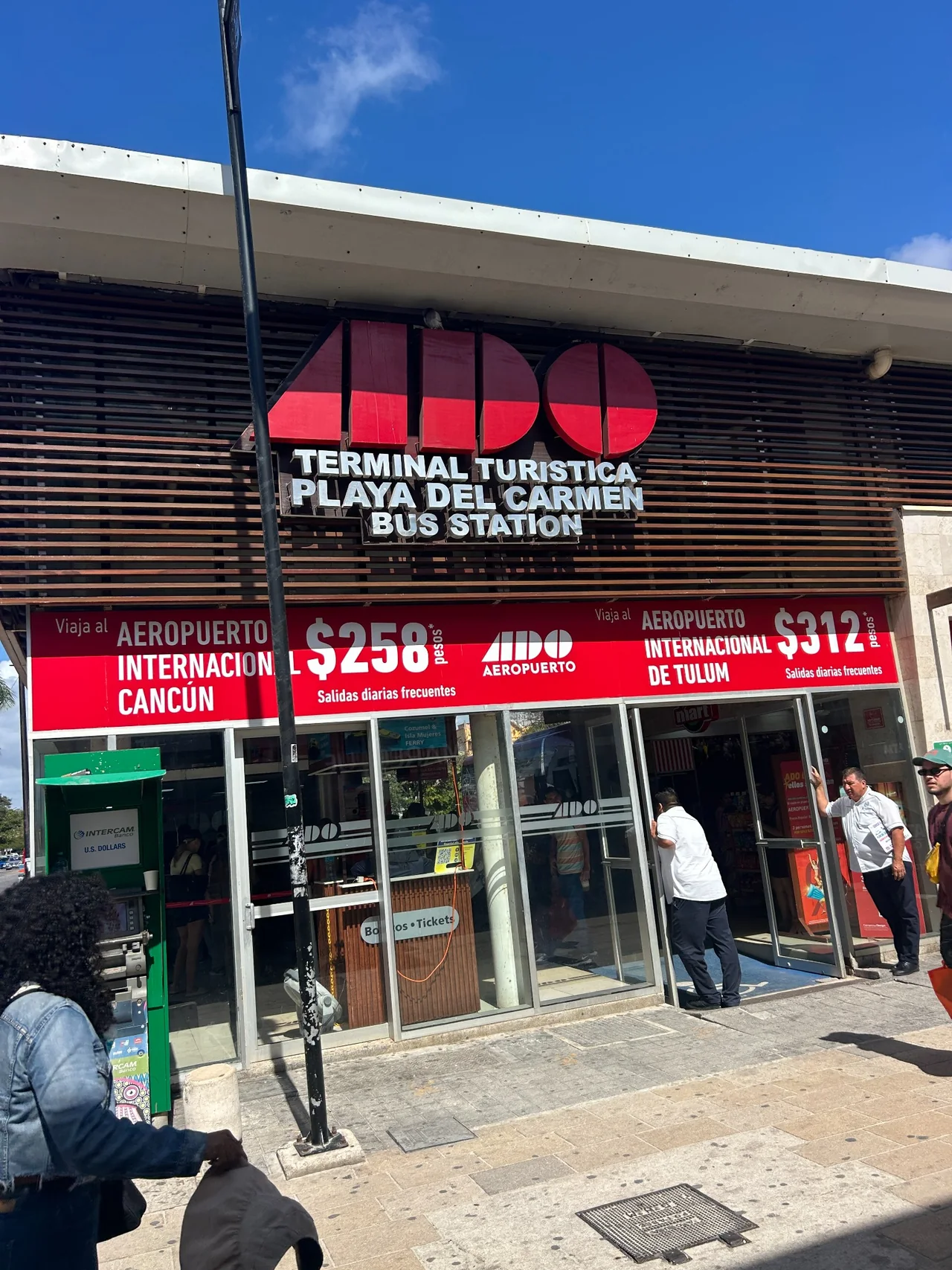
If you're heading toward Playa del Carmen or Tulum, take a look at ADO buses.
ADO operates airport transportation to several destinations in the region, and it may be considerably less expensive than a private transfer.
Official website: https://www.ado.com.mx/
Keep in mind that arriving at a bus station isn't necessarily the same as arriving at your accommodation. You may still need a taxi or another ride.
My recommendation: Make your airport transportation decision before you board the plane, not after you've landed.
3. Can I Drink the Tap Water or Brush My Teeth With It?
This is one of the most common questions people ask before visiting Mexico.
The simple answer is: don't assume the tap water is safe to drink.
Water quality and treatment can vary depending on your destination and accommodation.
Some large resorts have their own treatment systems. However, a beautiful hotel or modern bathroom doesn't automatically guarantee drinking-quality water from every tap.
Personally, I stick with bottled or properly purified water for drinking unless the property specifically confirms the tap water is potable.
I’d also bring a reusable water bottle for days out, such as this Nalgene 32 oz Wide Mouth Water Bottle. Fill it with properly purified drinking water rather than assuming the tap water is safe.
What About Brushing Your Teeth?
Even if you don't intend to swallow water while brushing, a little can still get into your mouth.
For that reason, I prefer using purified water for brushing my teeth as well.
It's a simple precaution, especially if you're visiting Mexico for the first time.
And What About Ice?
Ice served by established restaurants and resorts is often made using purified water, but you shouldn't assume that every business uses the same standards.
If you're unsure, ask.
My recommendation: Confirm what water is safe at your accommodation, use purified water when in doubt, and take the guesswork out of your daily routine.
4. Is It Safe to Eat Mexican Street Food?
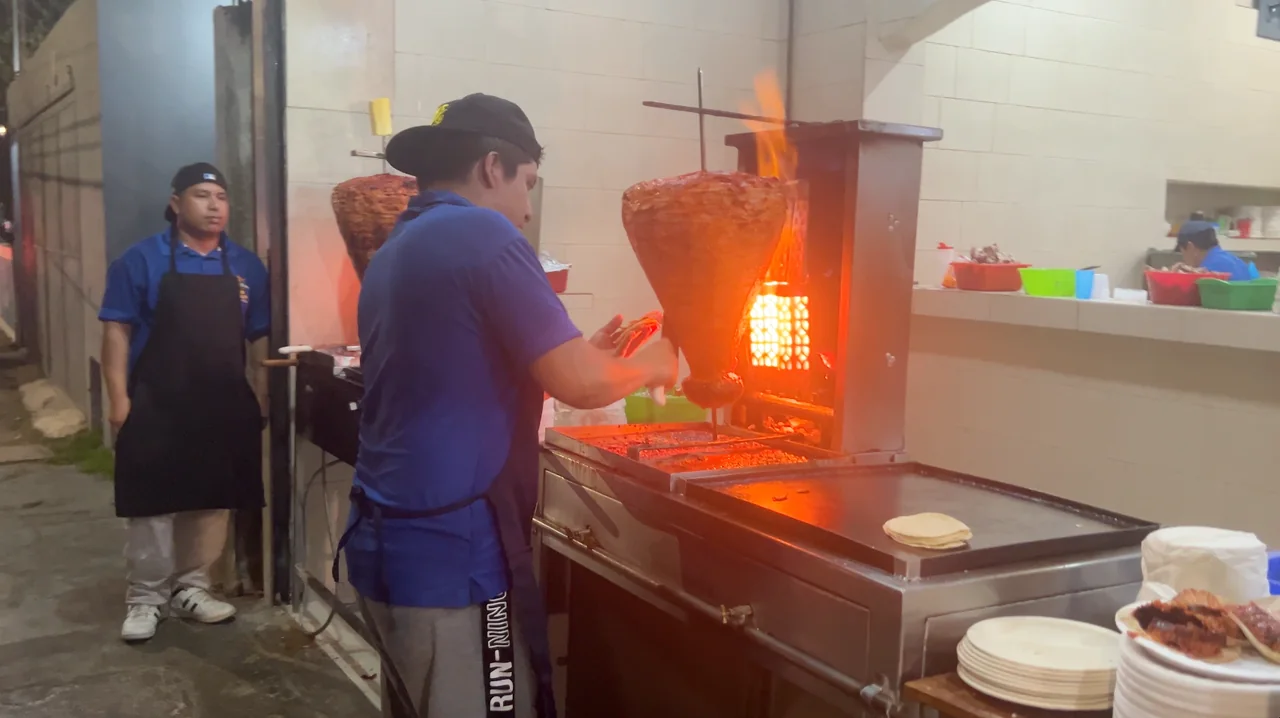
Some of the best meals I've had in Mexico have come from the humblest-looking taco stands.
And here's something interesting: I've eaten at little roadside places without a problem, while guests of mine have become sick after eating at reputable restaurants.
The lesson?
Don't judge food safety by how fancy the restaurant looks.
Instead, pay attention to how the food is prepared and handled.
Here's what I look for:
- Food being freshly prepared
- Meat cooked thoroughly and served hot
- Ingredients handled hygienically
- Perishable food kept properly refrigerated
- Clean preparation areas and utensils
I'm particularly cautious about raw salads or coleslaw when I don't know how they've been washed or stored.
Seafood deserves special attention, too. If proper refrigeration isn't evident, I'll usually choose something else.
No restaurant or street vendor can guarantee that you won't become ill, and official travel health guidance recommends additional caution with street food.
One Thing I Wish I'd Done Sooner
If there's one thing I wish I'd done differently when I first started visiting Mexico, it's eating more street food!
In popular tourist destinations like Mazatlán, Puerto Vallarta, Cabo San Lucas, and the Riviera Maya, I've generally found street food vendors to be pretty clean and the food to be fantastic.
I personally haven't known many people who've had problems eating street food in those areas.
That doesn't mean every taco stand is safe, or that food safety is identical everywhere. I still pay attention to cleanliness, refrigeration, and how food is handled, especially when I'm somewhere unfamiliar.
But looking back, I definitely missed out on some great food because I was unnecessarily hesitant.
My advice? Be sensible, but don't let fear keep you from experiencing some of Mexico's best food.
5. What's the Best Time of Year to Visit Mexico?
People often ask this question as though Mexico has one climate and one perfect month to visit.
It doesn't.
The best time to travel depends on where you're going, what you want to do, and how much heat, humidity, or rain you're comfortable with.
Why Winter Is So Popular
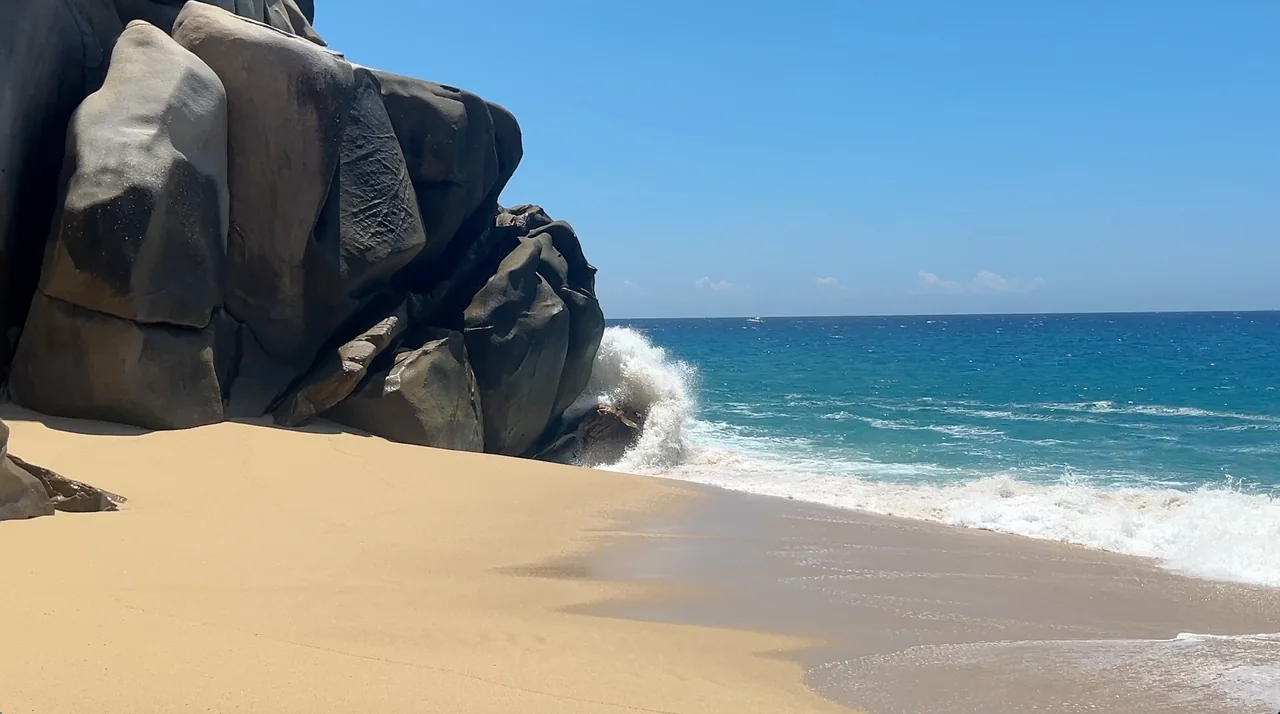
For Canadians and Americans escaping cold weather, winter is an obvious choice.
Many Mexican beach destinations offer warm temperatures and plenty of opportunities to enjoy the outdoors.
But there's a trade-off.
Winter is also peak tourist season in many locations, so accommodation prices and crowds can increase.
Why I Actually Prefer Mexico's Off-Season
Here's something that might surprise you: after spending nearly three years in Mexico, my favourite time to visit is actually the off-season.
Yes, it's hotter. And depending on where you're going, you might get some rain. But there's so much I love about this time of year.
The trees are greener, the flowers are blooming, and everything feels more tropical and alive.
The crowds are smaller, accommodations are often more affordable, and you can explore without feeling like you're sharing every attraction with thousands of other tourists.
And here's another advantage people don't always consider: the ocean is generally warmer during the summer months.
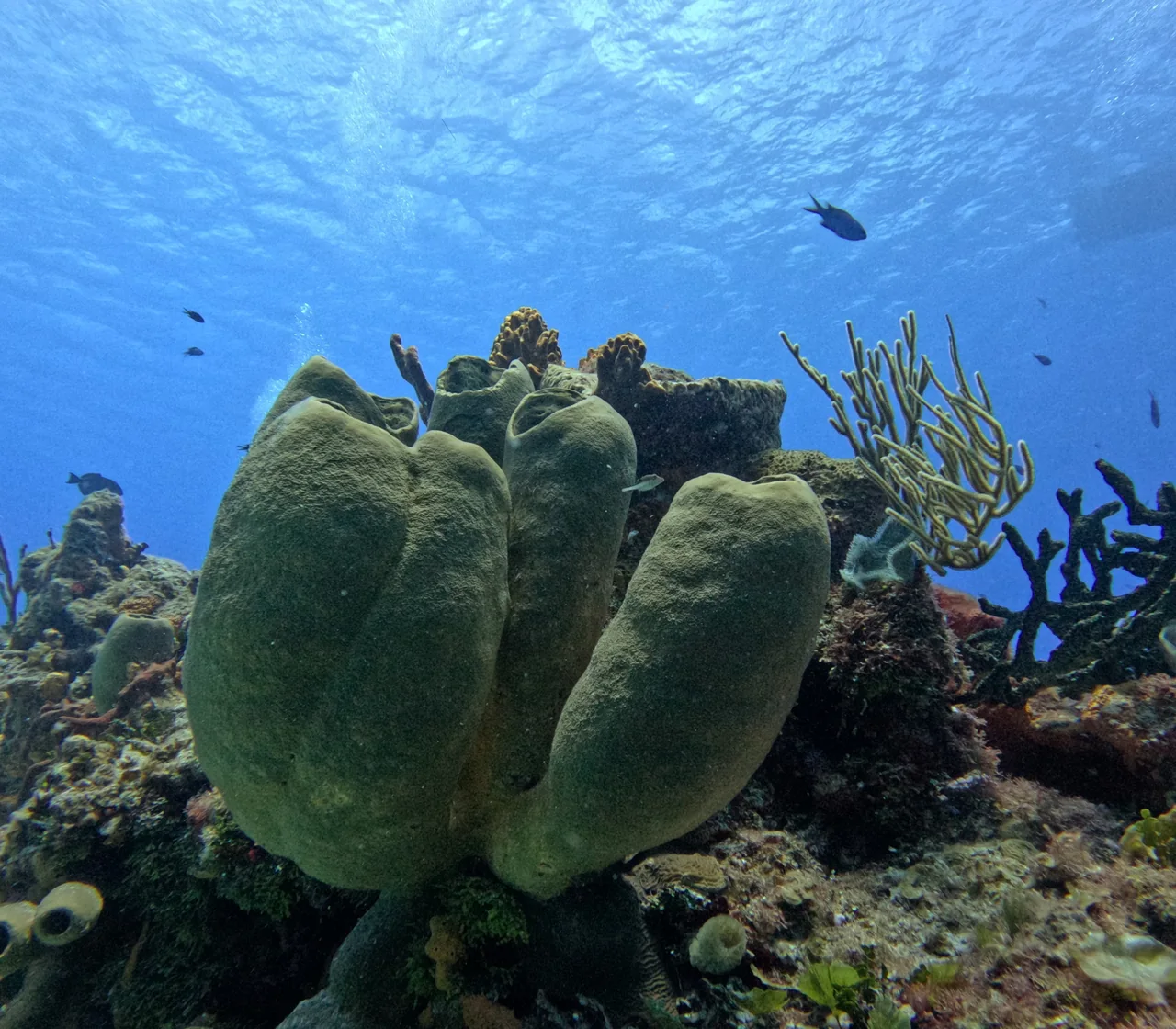
If you enjoy swimming, snorkeling, or scuba diving, that can make a real difference.
I've spent time diving in the Caribbean, and being underwater in that beautiful warm water is an experience I never get tired of.
I personally use a Cressi Z2 mask. If snorkeling or diving is part of your trip, bringing your own well-fitting mask can be useful. You can see the Cressi Z2 mask and Corsica snorkel set on Amazon—the same mask I use, offered here as a mask-and-snorkel set.
Of course, the summer and fall months can also bring higher humidity, heavy rain, and tropical storms, particularly along the coast. It's worth understanding the seasonal weather risks before booking.
But for me, the greenery, warm ocean water, smaller crowds, and better prices make the off-season hard to beat.
If your schedule is flexible, don't automatically rule out visiting Mexico in the summer. You might discover, like I did, that it's your favourite time to be here.
Final Thoughts: Make Your Mexico Vacation Easier
After almost three years exploring Mexico, I've learned that a little planning goes a long way.
Get familiar with pesos before arriving. Plan your airport transportation. Understand the water situation. Be sensible about food safety. And choose your travel dates based on the destination rather than Mexico as a whole.
Most importantly, leave yourself some room to explore and have fun.
Mexico has given me some fantastic experiences, and I hope these tips help make your next trip a great one, too.
Watch the Video
Planning a Trip to Mexico? 5 Things You Need to Know
More From The Second Half
If you're planning a trip to Mexico, check out some of my other travel guides:
- Cozumel Without an Excursion — Exploring the island without booking a cruise excursion
- Cabo San Lucas Travel Guide — What to know before visiting Cabo
- Pack for the Fun — What I actually bring on a cruise or vacation
And if you enjoy travel tips, cruise adventures, and exploring life after 50, come join me on YouTube at The Second Half.
There's a lot of life left to live.
Affiliate Disclosure
Some links in this article are affiliate or referral links. If you make a qualifying purchase or sign up through one of these links, I may earn a commission or referral reward at no additional cost to you. I only recommend products and services I use or believe may be useful to travelers.
As an Amazon Associate I earn from qualifying purchases at no additional cost.