

Pack for the fun. Get the laundry done. Come home with memories instead of chores.
Going somewhere warm for a week? Doug’s approach is to start with what he wants to do, not how many different outfits he might wear. If the trip includes snorkelling, exploring and pickleball, he wants those activities to have room in the bag before extra clothing takes over.
In the companion video, Doug demonstrates how he packs a seven-day trip in his 40-litre travel backpack. This guide adds the practical planning details: what to check before departure, how to keep the gear organized, and how a realistic laundry plan can make lighter packing possible.
Start with the experience, not the outfits
Before making a packing list, look at the itinerary. Will you actually snorkel? Is there somewhere to play pickleball? Will you explore on foot? What equipment, if any, is supplied by your ship, accommodation or excursion operator?
Make space for the things you expect to use. Include the items that make each activity work: a rashguard with your snorkelling gear, suitable shoes for pickleball, and the right accessories for your camera. Your priorities may be completely different from Doug’s; the same principle applies.
Choose a bag you can organize
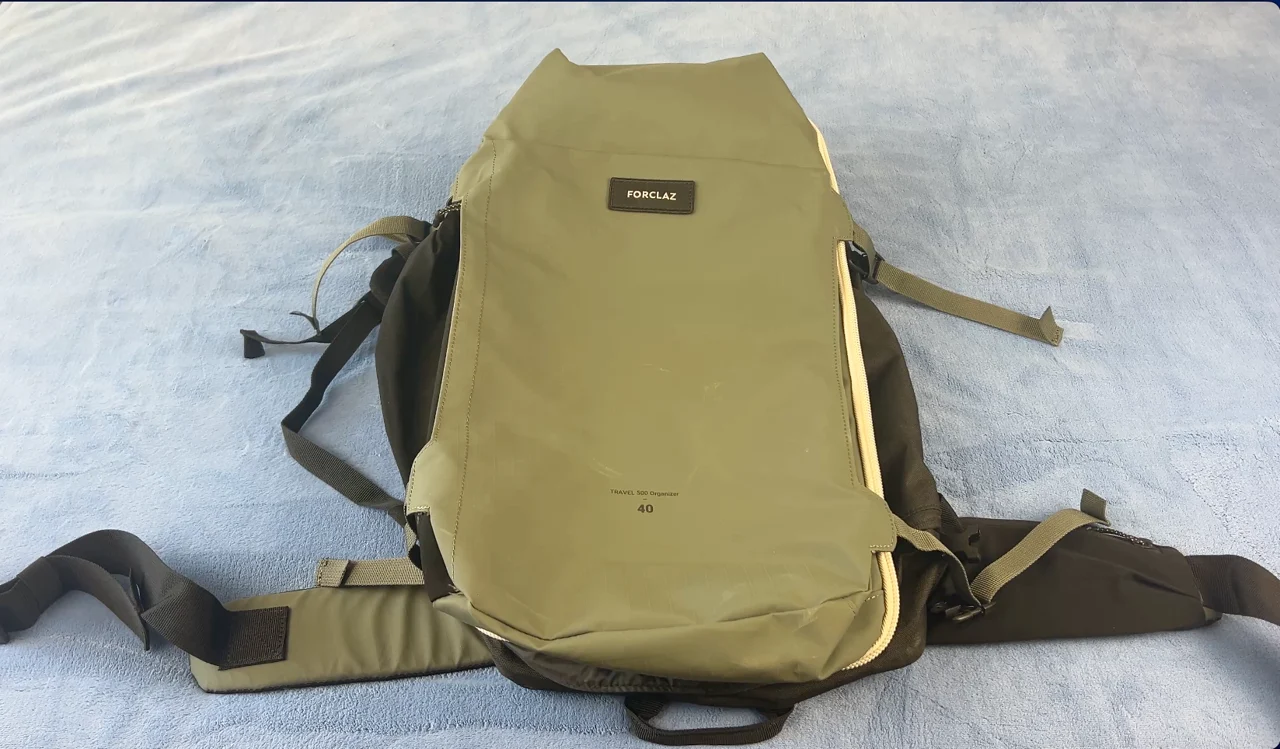
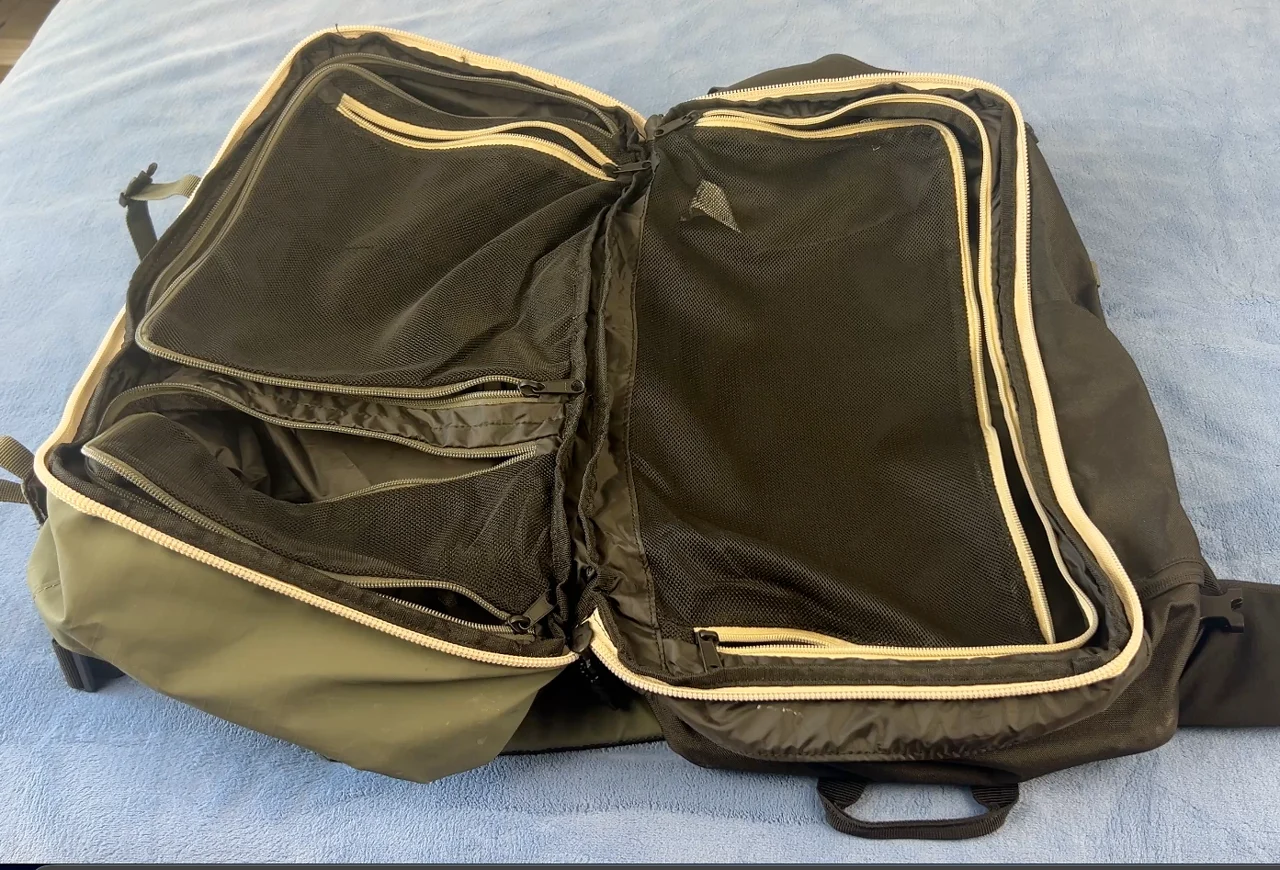
Doug uses the Forclaz Travel 500 Organizer 40L backpack he bought before his Norwegian Getaway cruise. He likes that it opens widely rather than requiring everything to be stuffed through the top. Its mesh-divided compartments make items easier to see and retrieve.
Doug says this particular bag has fitted under the seat in front of him when flying. That is his experience, not a guarantee for your flight. Always check your airline, fare and route’s current baggage allowances and the size of the bag when fully packed. A “40L” label does not by itself establish cabin or under-seat eligibility.
Bag reference: Decathlon Canada — Travel 500 Organizer 40L
Save space on travel day
Doug wears his pickleball shoes when travelling, rather than using valuable space inside the bag. He sets aside one travel outfit to wear both outbound and home, and skips a belt when flying to simplify his own security routine.
The shoe tip is practical; the joke about wearing his dive mask on the plane is just that — a joke! The point is to wear sensible, comfortable items on the journey and pack the rest deliberately.
Pack the activities
Snorkelling and water time
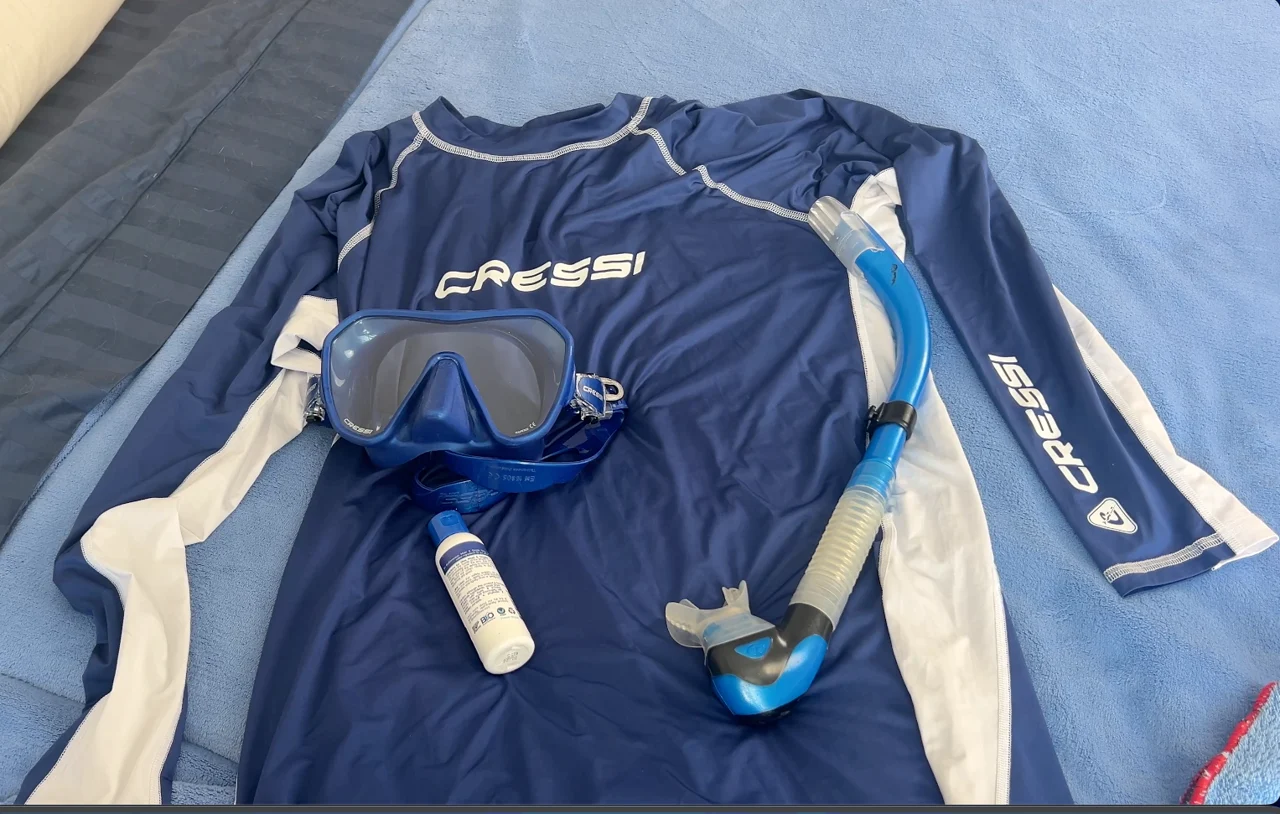
Doug brings his Cressi Z2 mask, Cressi Corsica snorkel, a rashguard and mask defog. He prefers his own equipment when getting in the water. Check that your gear fits you, protect the mask from pressure in your bag, and have a plan for wet equipment so it does not end up beside clean clothing.
Doug describes his defog as reef-safe in the video. Product environmental claims should be checked against the specific manufacturer and formulation rather than treated as a blanket guarantee. Follow the directions on the product you actually bring.
Photos and video
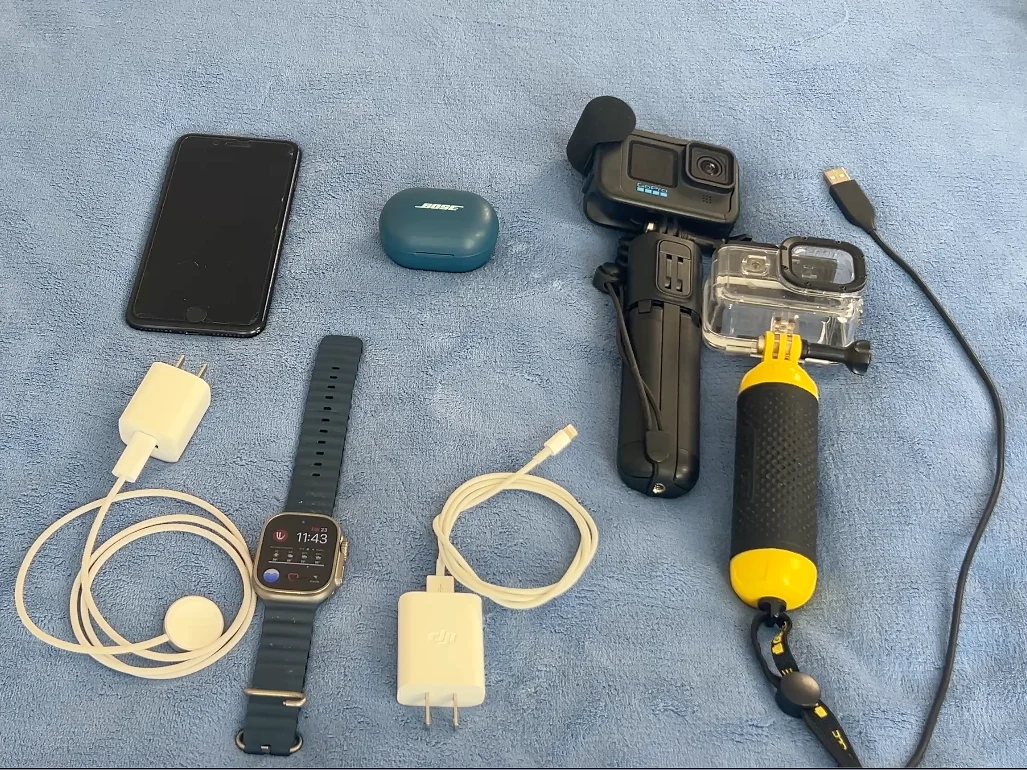
Doug packs his GoPro Hero 11, but his advice applies equally to a phone camera: decide what shots you want, bring only the accessories that support them, and check everything before leaving.
Charge the batteries. Match each device to its cable. Check the memory card and any power bank or dive housing you intend to use. In the video, Doug makes the point with a grin: a camera with nowhere to save footage will have a very quiet vacation.
For flights, follow your airline’s current rules for lithium batteries and power banks. Spare batteries and power banks generally belong in cabin baggage, with additional restrictions depending on capacity and carrier.
Around town and during downtime
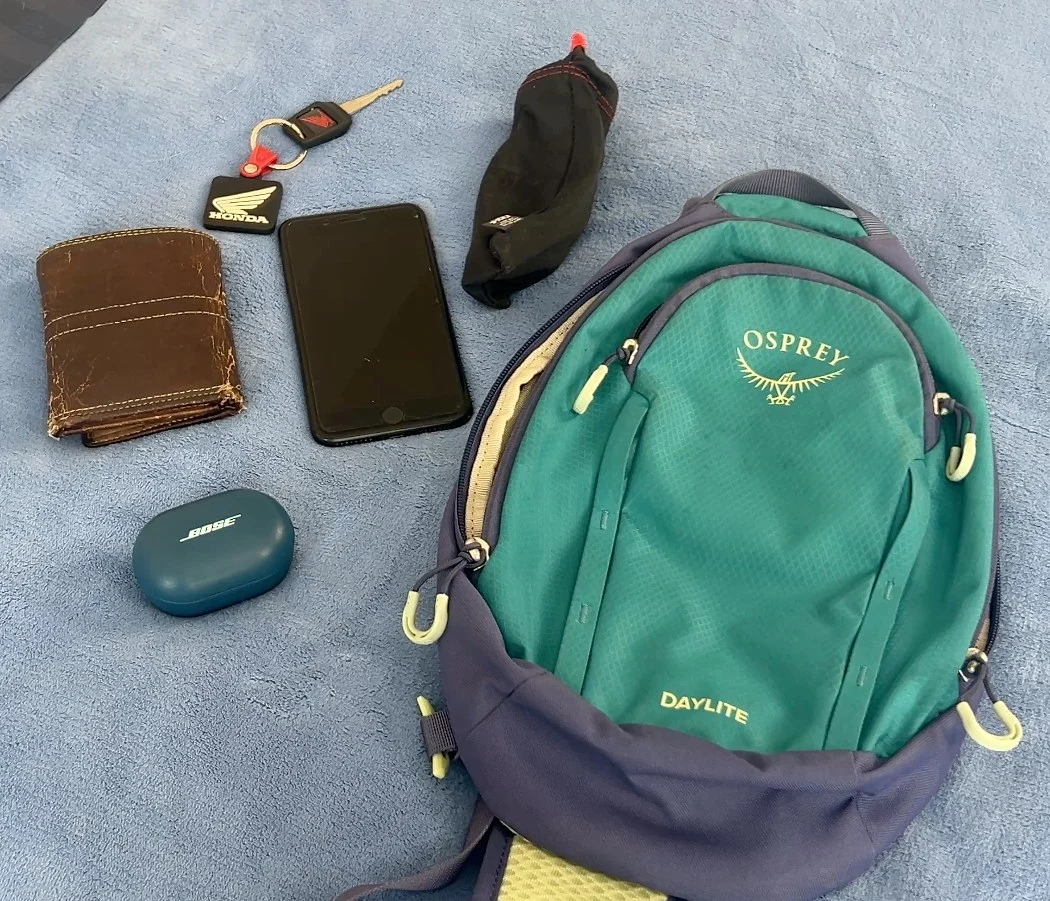
Doug brings an Osprey sling for everyday essentials so he does not have to carry his large backpack around town. He also brings earbuds, sunglasses, reading glasses and a cleaning kit. Try the day bag with your actual belongings in it; make sure the things you need are easy to find and reach.
Pickleball — or your own favourite activity
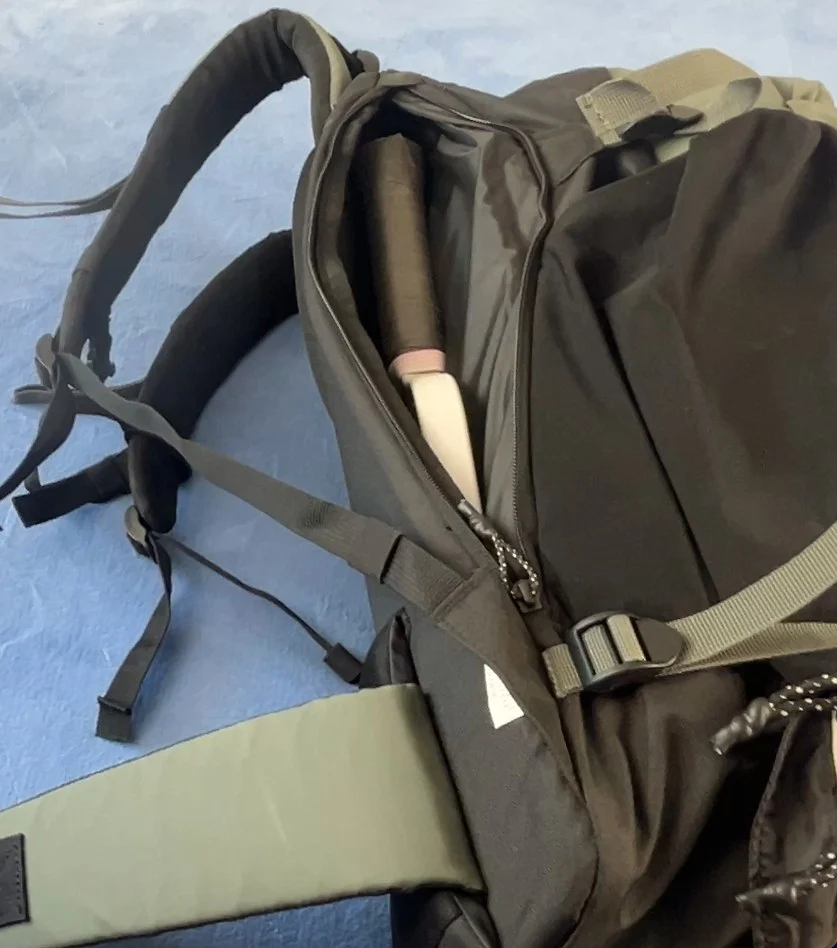
Pickleball matters to Doug, so he makes room for a paddle. Before packing sports equipment, check whether the destination or cruise ship has facilities, when they are available and whether equipment is supplied. The larger lesson is to make room for your activities rather than packing for someone else’s version of the trip.
Doug’s clothing plan for seven days
| Item | Amount or approach |
|---|---|
| Shorts | Three pairs |
| T-shirts | Three |
| Nicer shirt | One for dinner |
| Flip-flops | One pair |
| Hat | One |
| Rashguard | With snorkelling gear |
| Travel outfit and pickleball shoes | Worn on travel days |
| Toiletries | Familiar essentials in suitable sizes |
This is Doug’s demonstrated warm-weather plan, not an exhaustive list for every traveller. Add your own essential personal clothing, medication and other necessities, and adjust for climate, activities and access to laundry. Check airport liquid limits and close toiletries securely before packing.
Doug also deliberately leaves a little room for a destination T-shirt. It is much easier to bring home a small souvenir when the bag is not full before you leave.
Let laundry do some of the work
The three-T-shirt strategy depends on a workable laundry plan. Before relying on it, find out whether laundry is available at your accommodation, nearby or on the ship. Check the price, turnaround time and any restrictions.
Doug prefers having someone else do the washing while he enjoys the trip. He also likes getting his laundry cleaned and folded the day before heading home, so there is less dirty laundry waiting when he returns. His designated travel clothes stay out of that final wash so he has something ready for the journey back.
Sara’s reminder from the video is worth taking seriously: check when that final load will be returned. On a ship, or anywhere with limited service hours, clean clothes are only useful if they come back before departure.
Last check before closing the bag
- Have you checked your activity plans and what equipment is supplied?
- Have you protected your mask and planned for wet gear?
- Do your devices have charged batteries, matching cables and a memory card where needed?
- Are your passport, other travel documents, wallet and medication accessible?
- Does your laundry plan work with the actual itinerary and turnaround time?
- Have you set aside the clothes you will wear home?
- Have you checked your airline’s baggage, liquids and battery rules?
- Is there still a little room for something you discover on the trip?
No packing list works for everyone. The goal is to arrive ready for the activities that matter to you, without filling the bag with things you will never use.
Pack for the fun. Get the laundry done. Come home with memories instead of chores.
Gear Doug brought — quick reference
Affiliate disclosure: Some product links on this page may be affiliate links. If you purchase through them, The Second Half may earn a commission at no extra cost to you. As an Amazon Associate, I earn from qualifying purchases.
These are items Doug uses or discusses in the video.
| Category | Gear | Product links |
|---|---|---|
| Main bag | Forclaz Travel 500 Organizer 40L | Decathlon Canada (retailer link) |
| Snorkelling | Cressi Z2 mask and Corsica snorkel; rashguard; mask defog | Cressi mask/snorkel on Amazon US (affiliate) |
| Camera | GoPro HERO11 Black, memory card, charging gear; housing and floating grip if used | GoPro on Amazon US (affiliate) |
| Everyday carry | Osprey Daylite sling; Bose QuietComfort earbuds; Oakley Flak 2.0 XL sunglasses; cleaning kit | Osprey Daylite, Bose earbuds, Oakley sunglasses, Oakley cleaning kit — Amazon US affiliate links |
| Activity | Pickleball paddle and shoes | — |
| Clothing | Three shorts, three T-shirts, one nicer shirt, hat and flip-flops | Personal packing checklist, not a shopping recommendation |
Gear references and disclosure
Doug personally uses the equipment described above.